Resources
How to collect calibrated stereo egocentric data
Plan a rigid stereo rig, calibration files, timestamp checks and a buyer-reviewed pilot for first-person task capture.
Published 2026-10-27 · 5 min read
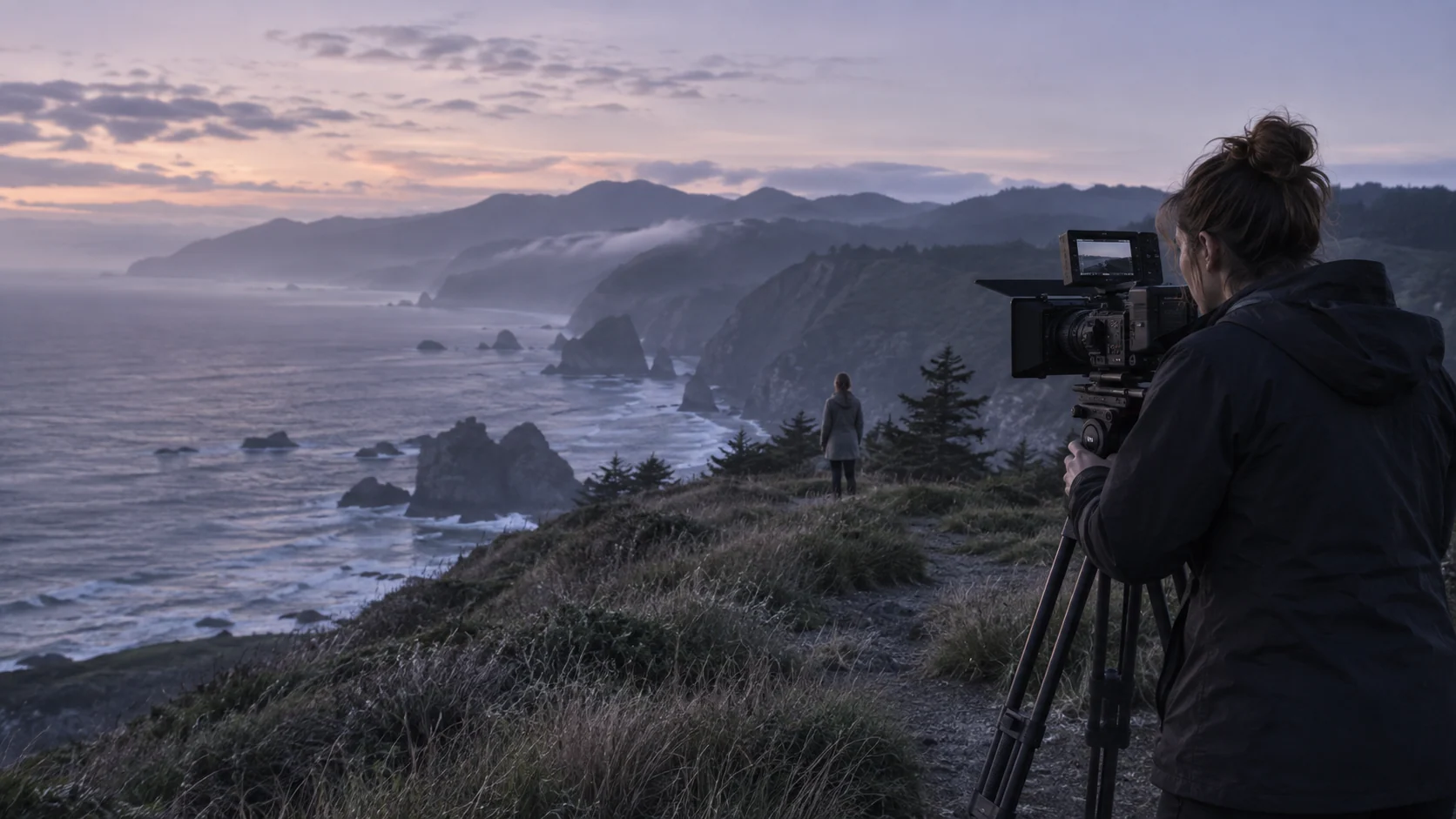
| Item | Define before requesting a quote |
|---|---|
| Geometry | Intrinsics, distortion, stereo transform and units |
| Timing | Clock domain, synchronization method and measured drift |
| Coverage | Both views of the target activity |
| Pilot | Paired files, logs, calibration and acceptance review |
Two head-mounted cameras do not automatically produce a calibrated stereo dataset. A useful package connects the left and right streams to documented camera geometry and a measured timing relationship.
Agree the task, working distance, field of view, output files and acceptance tests before choosing equipment. This guide does not prescribe a universal baseline, frame rate or allowable timing error; those depend on the use and rig.
Set up a stable camera pair
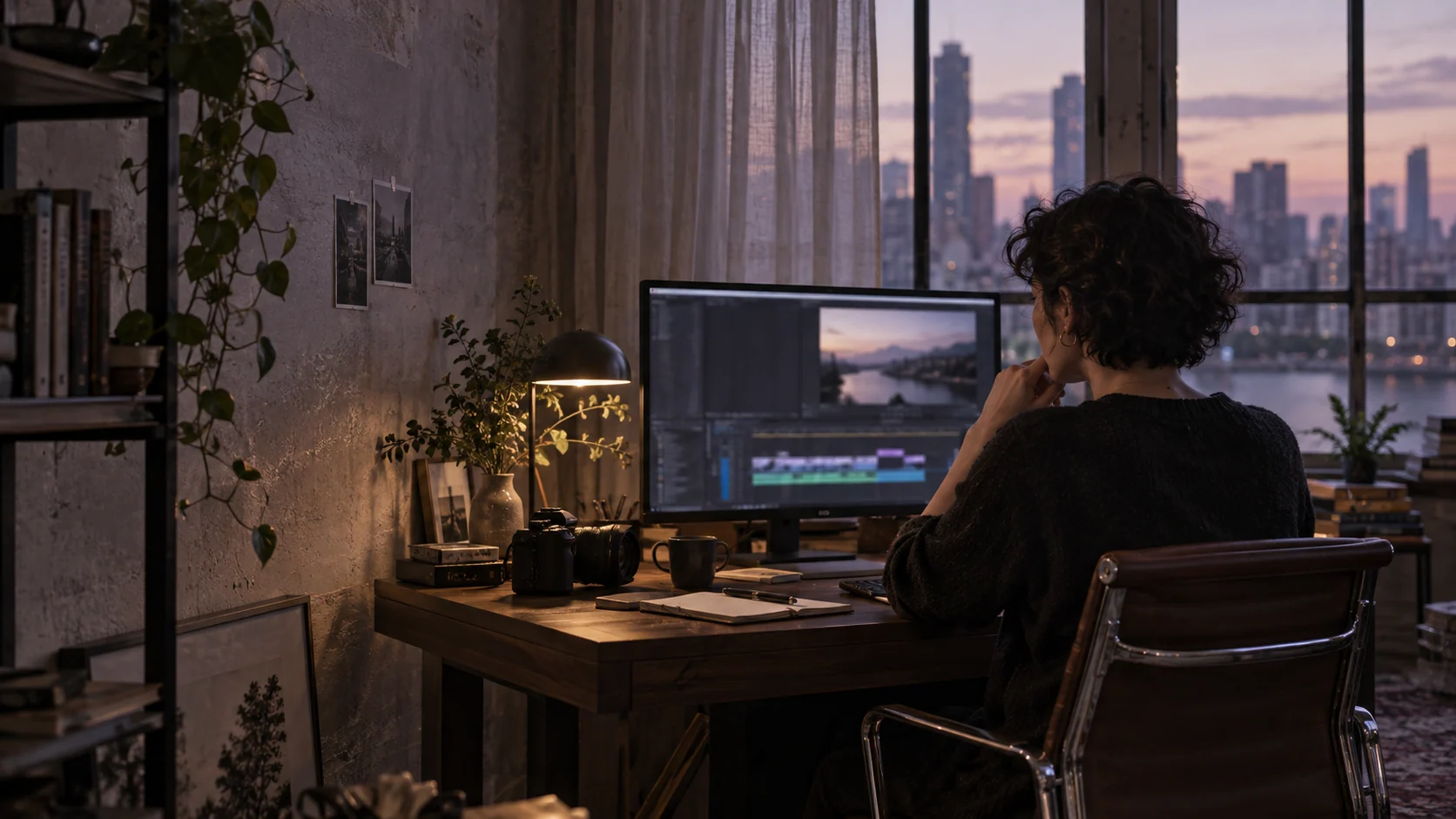
Document camera IDs, lens settings, resolution, mount geometry and the coordinate convention. The mount must preserve the relationship used in calibration. If a camera moves relative to the other, flag affected sessions and repeat the agreed checks.
Check that both views can see the working area during real tasks. A technically valid pair is not useful if hands, tools or objects are routinely outside one view. Review comfort and safe movement before asking operators to perform a longer session.
Save calibration inputs and results
OpenCV documents individual camera intrinsics and distortion as well as stereo rotation and translation. Preserve the calibration images, target dimensions and units, software version and output parameters so the process can be inspected.
Record which camera settings and sessions the calibration applies to. Review reprojection and rectification results across representative views, not just one attractive image. Do not advertise a calibration threshold that the intended buyer has not accepted.
Measure synchronization rather than infer it
Describe hardware triggering or the actual alternative synchronization method. Inspect timing across the session, record dropped or duplicate frames and report measured offsets or drift with the method used. Equal nominal frame rates do not prove simultaneous exposure.
Keep original stream timestamps and state their clock domain and units. Distinguish capture timestamps from file creation times. Any corrected timeline should preserve the original values and document the transformation.
Deliver a pilot before full collection
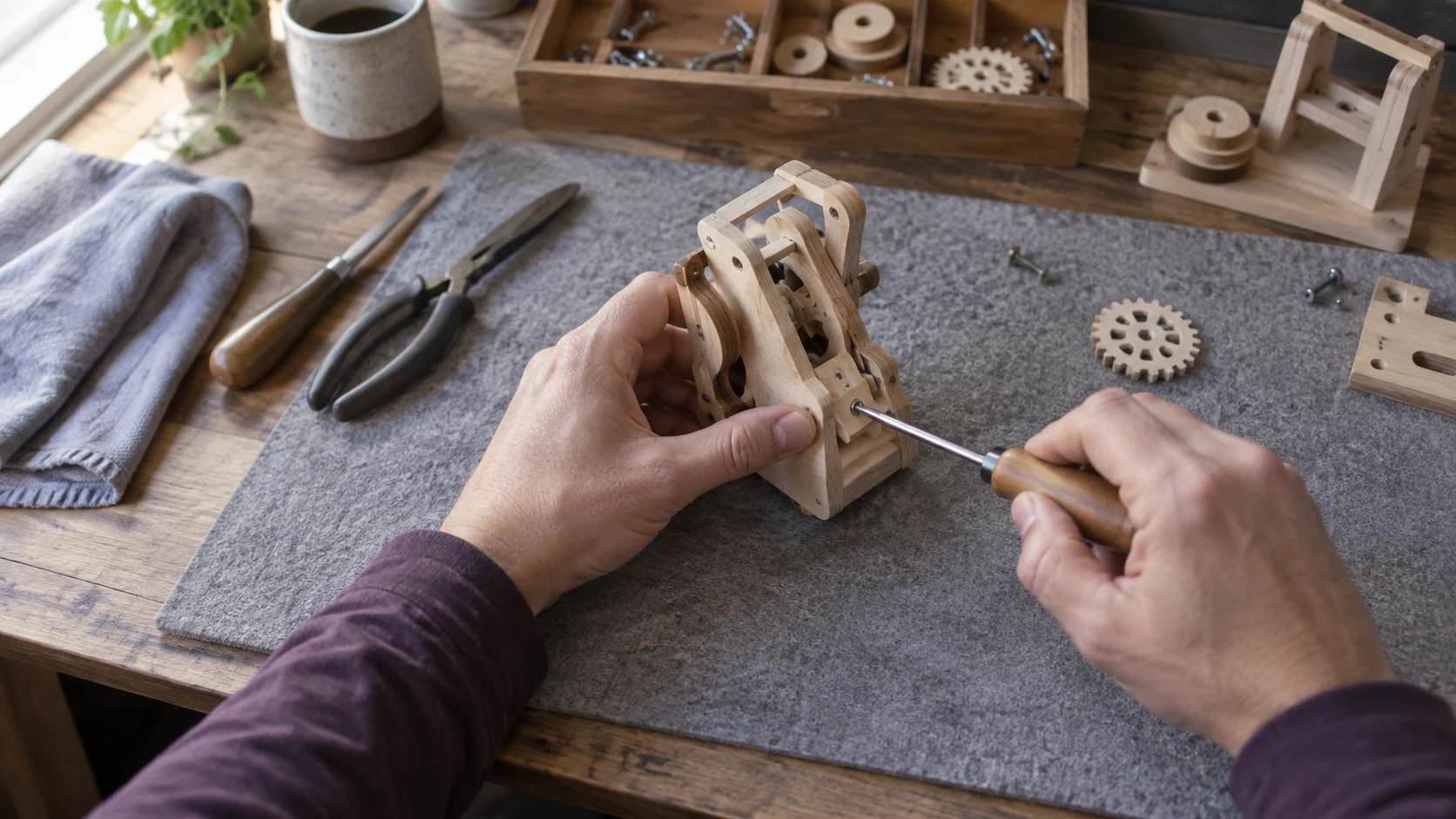
Provide paired clips, calibration files, timestamp logs and a manifest connecting camera IDs to sessions and tasks. Mark estimated depth or pose as derived output rather than direct measurement. Include representative motion and difficult lighting in the pilot.
Quote one hour of simultaneous activity separately from two camera-stream hours. Agree the accepted unit, geometry checks, timing tolerances, recapture responsibility and payment before scaling. A Fiund capability assessment is not an equipment purchase recommendation or a paid assignment.
Frequently asked questions
Can two ordinary cameras be called calibrated stereo?
Only describe the geometry and timing that were actually established. A two-camera recording without the supporting calibration is a different deliverable.
Does calibration prove synchronization?
No. Geometry and exposure timing require separate evidence and checks.