Resources
Stereo egocentric data pricing: compare the complete scope
Compare stereo dataset quotes using accepted activity hours, calibration, synchronization, annotations and delivery requirements rather than camera count alone.
Published 2026-10-27 · 6 min read
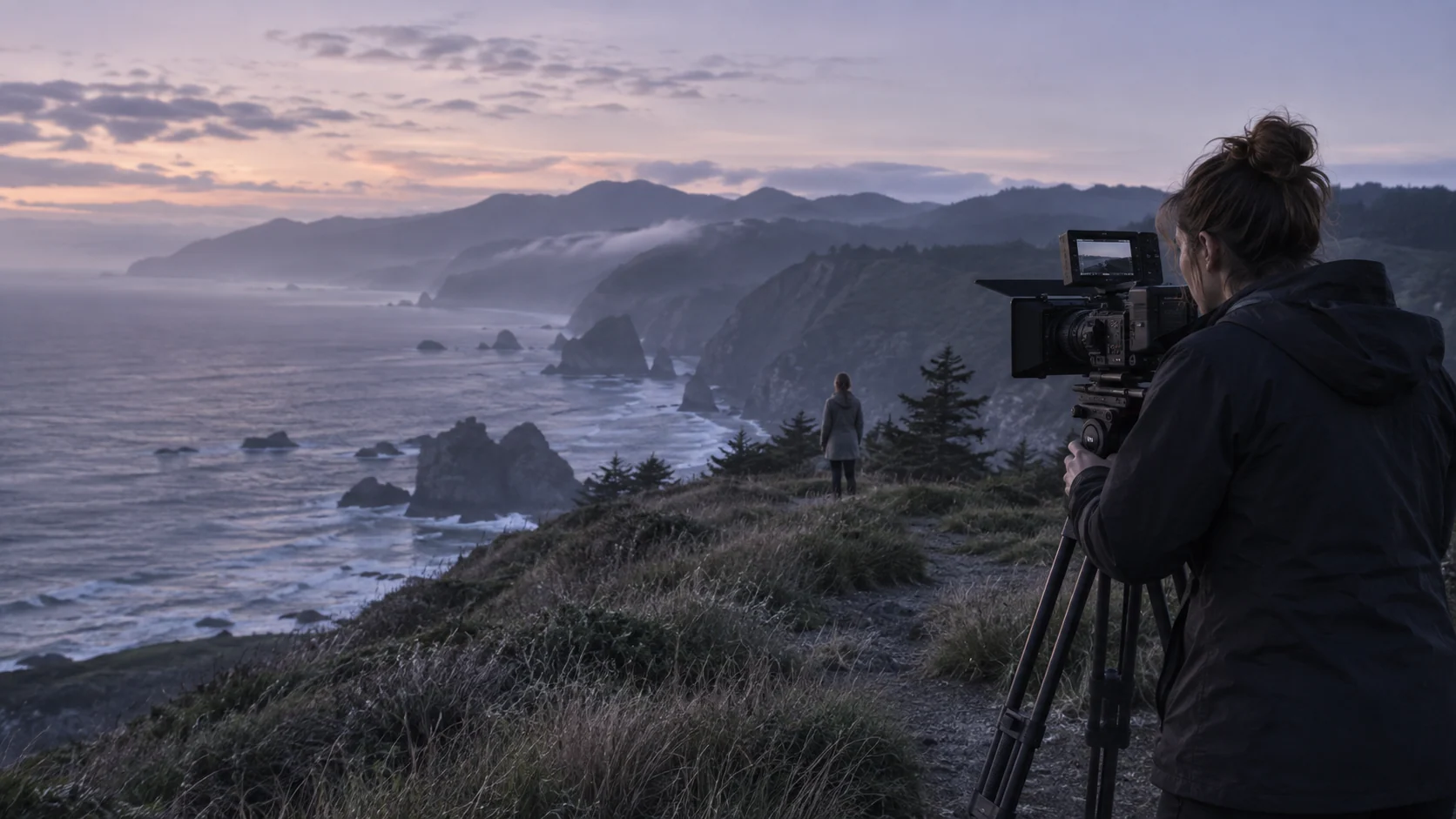
Stereo egocentric data pricing requires a defined scope. A synchronized, calibrated pair is a different product from two loosely aligned videos. Compare what arrives with the video: camera models, calibration, timestamps, quality results and the permissions for the intended use.
There is no verified universal stereo multiplier. Existing stock, a new capture program and a dataset with validated 3D labels have different costs and responsibilities. Ask for a pilot and a line-item quote before comparing totals.
Choose the product before asking for a rate
For existing recordings, ask which files and supporting records already exist and which need preparation. For custom collection, separate rig setup, recruitment, site access, pilot work, production capture and rework. A category page is not confirmation of available stock.
DataClue’s public page, checked October 27, lists stereo and multi-camera work as quoted per project. Its separate $30–40 video-hour catalog examples should not be used as a quote for calibrated stereo. Published prices are vendor statements, not audited completed transactions.
Agree the billing unit
For a hypothetical 20-hour activity collection with four simultaneous views, the package contains 80 camera-stream hours before exclusions. It does not automatically contain 80 unique activity hours. Specify the unit on both the quote and the acceptance report.
Define whether a partially usable episode is accepted, how missing streams are handled, what counts as duplicate activity and who funds recapture. A low raw-recording rate is not necessarily a low cost per usable episode.
Specify geometry and timing deliverables
Request camera IDs, image dimensions, intrinsics, distortion models, stereo extrinsics, coordinate conventions and units. Specify the calibration session and the checks that demonstrate it applies to the delivered recordings. OpenCV’s calibration documentation explains the underlying camera parameters.
Ask how streams share a time reference and how synchronization error, clock drift and dropped frames are checked. Timestamp files alone are not proof of alignment. Set tolerances from the buyer’s task rather than treating one threshold as universal.

Price labels and sensor streams separately
Raw video, action segments, narration, estimated depth, tracked hand pose and synchronized IMU have different production and validation needs. Identify whether each signal is measured, manually annotated or model-derived, and what validation accompanies it.
Agree the file representation and loader requirements before capture. Do not assume a named delivery format guarantees that the action schema, coordinate system or permissions fit the training pipeline.
Compare accepted output in a pilot
A useful comparison divides the complete quoted cost by accepted activity hours or accepted episodes under the same scope. Include setup, review and preparation when comparing projects. This is a comparison method, not a prediction of market prices.
Send representative files through the buyer’s intended loader and review tasks, synchronization, calibration, labels and documentation together. Scale only after the unresolved issues and commercial responsibilities are clear.
Before the next step
- Name the unique activity unit and simultaneous views.
- Ask for calibration and timing evidence.
- List included labels and their provenance.
- Use the same acceptance and rights scope for each quote.
Frequently asked questions
Does Fiund guarantee a purchase or paid assignment?
No. A description is reviewed for fit before a sample, collection scope or licence is agreed. Availability, acceptance, compensation and permitted uses follow the applicable written terms.