Film & professional video → Multimodal LLM training
Film & professional video for Multimodal LLM training
Multimodal LLM training needs diverse, rights-cleared media paired with faithful text and metadata. Here is why Film & professional video can support that work, what a program should specify, and how to evaluate rights and technical context.
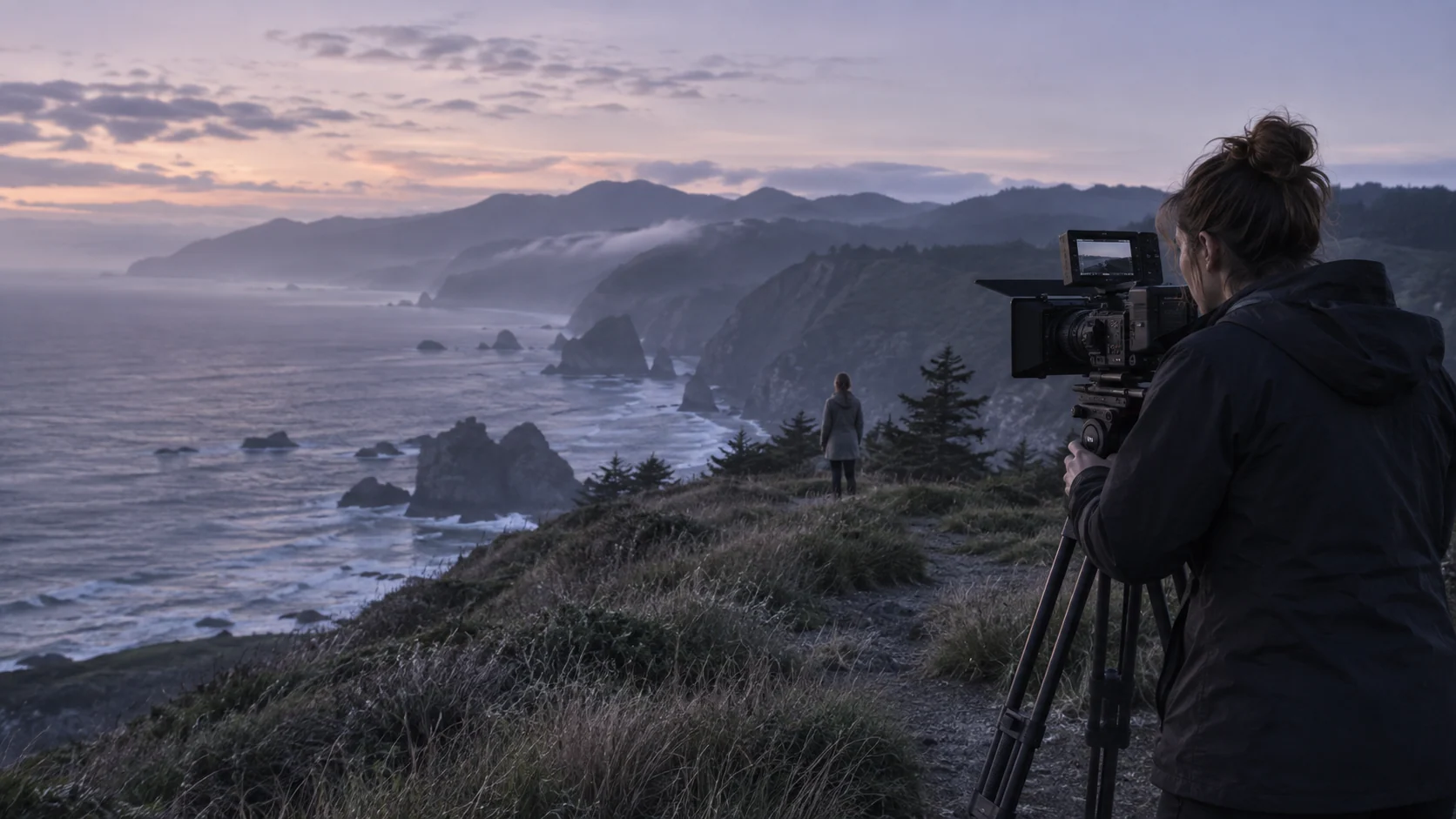
Why Film & professional video for Multimodal LLM training
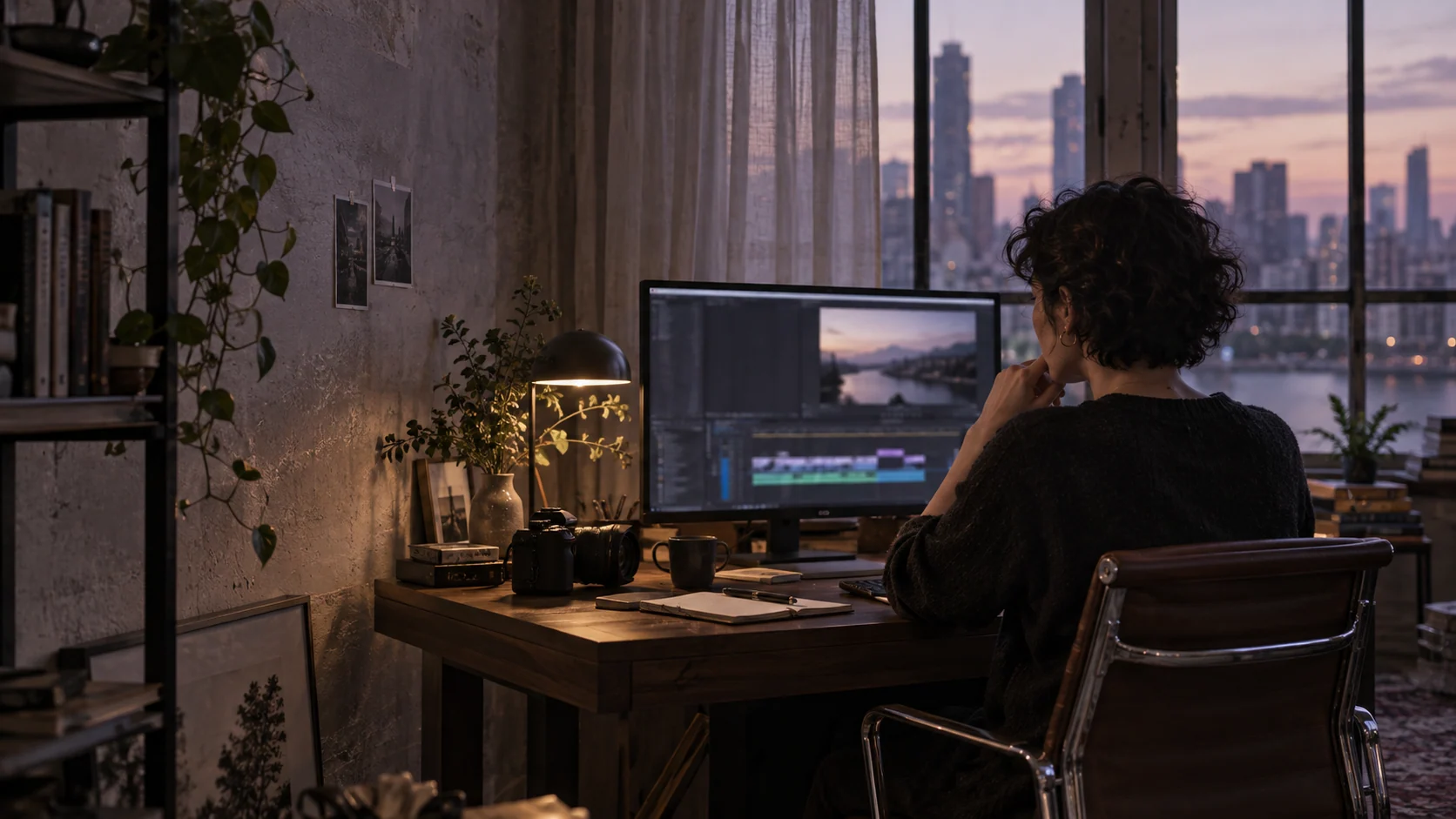
Video LLMs are moving from clip classification to long-form understanding: summarize this hour, find where the argument starts, explain what changed between scenes. That shift makes professional long-form footage — with its deliberate narrative structure, scene changes, and synchronized dialogue — premium training material. The pairing requirements stack: attributed dialogue transcripts, scene-level descriptions, and timeline-anchored Q&A that force temporal reasoning rather than single-frame lookup. Clearance stacks too: film content adds talent, music, and script layers on top of the recording, and each must be resolved for training use.
Contamination is the quiet argument for licensing here — well-known films are in every crawl, so models "understand" them by memory, not perception. Footage that never circulated is the only honest basis for evaluating long-video understanding.
What buyers typically spec
Industry-typical ranges — a brief can and should deviate where the task demands it.
| Typical volume | Hundreds of hours of long-form material; continuous programs, not clip compilations |
|---|---|
| Video | 1080p+; full programs with scene structure intact; synchronized clean audio |
| Paired text | Attributed dialogue transcripts, scene descriptions, timestamped Q&A pairs |
| Provenance | Unreleased or low-circulation material prioritized for evaluation sets |
| Formats | MP4/MOV; JSONL annotations with timecodes |
A sample brief
The shape of a workable request — swap in your own numbers and conditions:
- Modality: long-form produced programs (documentary, drama, broadcast).
- Volume: 200 hours, delivered as full programs with timecoded structure.
- Pairing: dialogue transcripts, scene summaries, 20+ temporal Q&A pairs per hour.
- Rights: all layers (talent, music, script) cleared for AI training or excluded.
fiund's sourcing angle
Studios and archives sit on decades of footage but rarely have a clean path to license it for training. fiund papers the rights first. We source to a brief and clear the rights before anything moves, so what you receive is both useful and defensible in diligence.
Rights posture
Signed licence, explicit training rights, separate voice/likeness consent, nothing scraped. See the rights & provenance guides.
Frequently asked questions
Why does contamination matter more for film than other footage?
Because famous content is discussed, subtitled, and re-uploaded everywhere — a model can answer questions about a known film from text memory without watching it. Evaluating video understanding requires footage the model cannot have seen or read about.
What annotations force real temporal reasoning?
Questions whose answers depend on ordering and change over time — what happened before X, what changed between scenes, when did Y first appear — anchored to timecodes. Single-frame describable Q&A lets models shortcut through image understanding.
Other data for Multimodal LLM training
More Film & professional video use cases
Need Film & professional video for Multimodal LLM training?
Whether you're building a model or sitting on an archive, the first conversation is short and specific.
Send a brief