Creator & UGC video → Multimodal LLM training
Creator & UGC video for Multimodal LLM training
Multimodal LLM training needs diverse, rights-cleared media paired with faithful text and metadata. Here is why Creator & UGC video can support that work, what a program should specify, and how to evaluate rights and technical context.
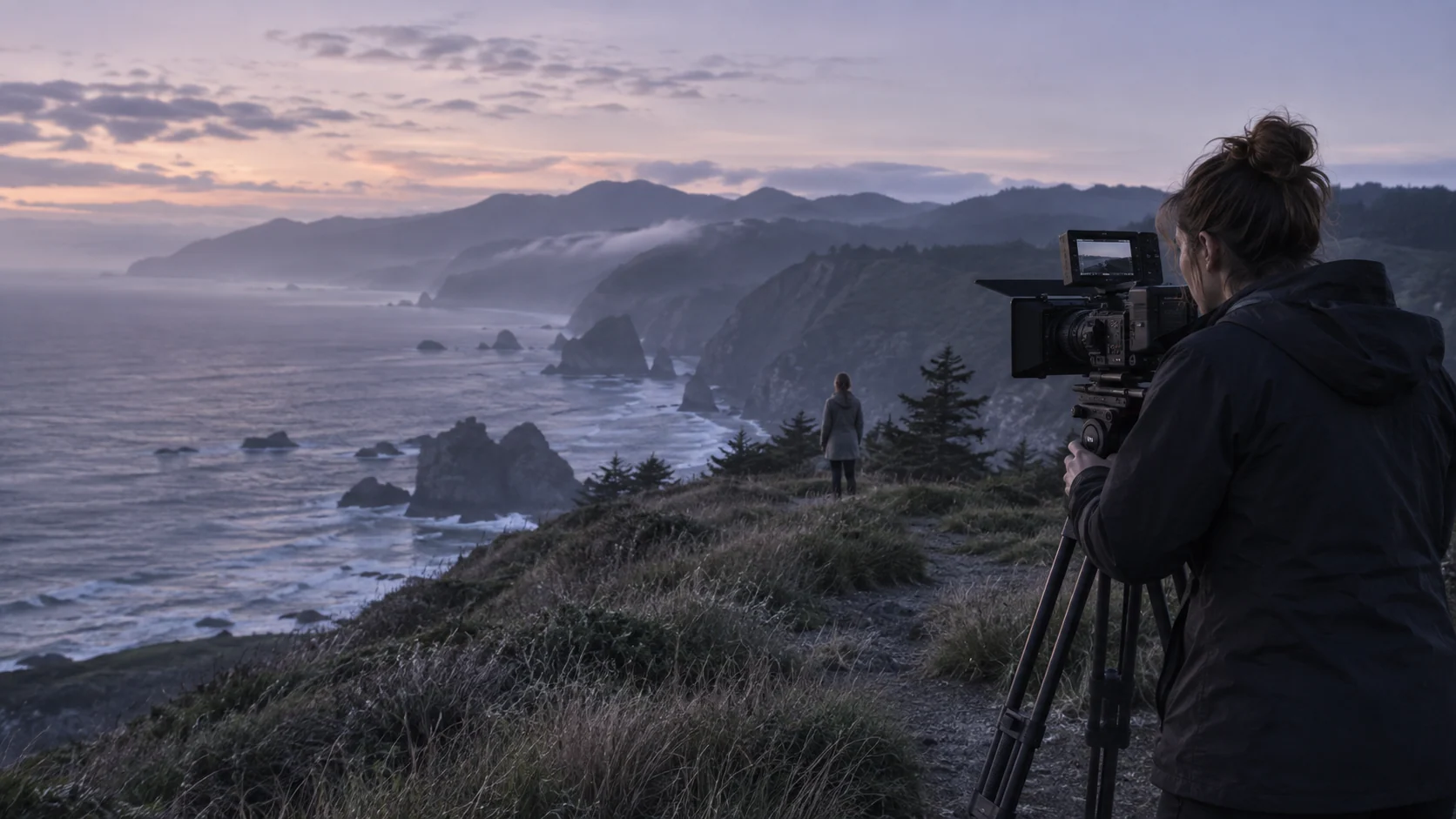
Why Creator & UGC video for Multimodal LLM training
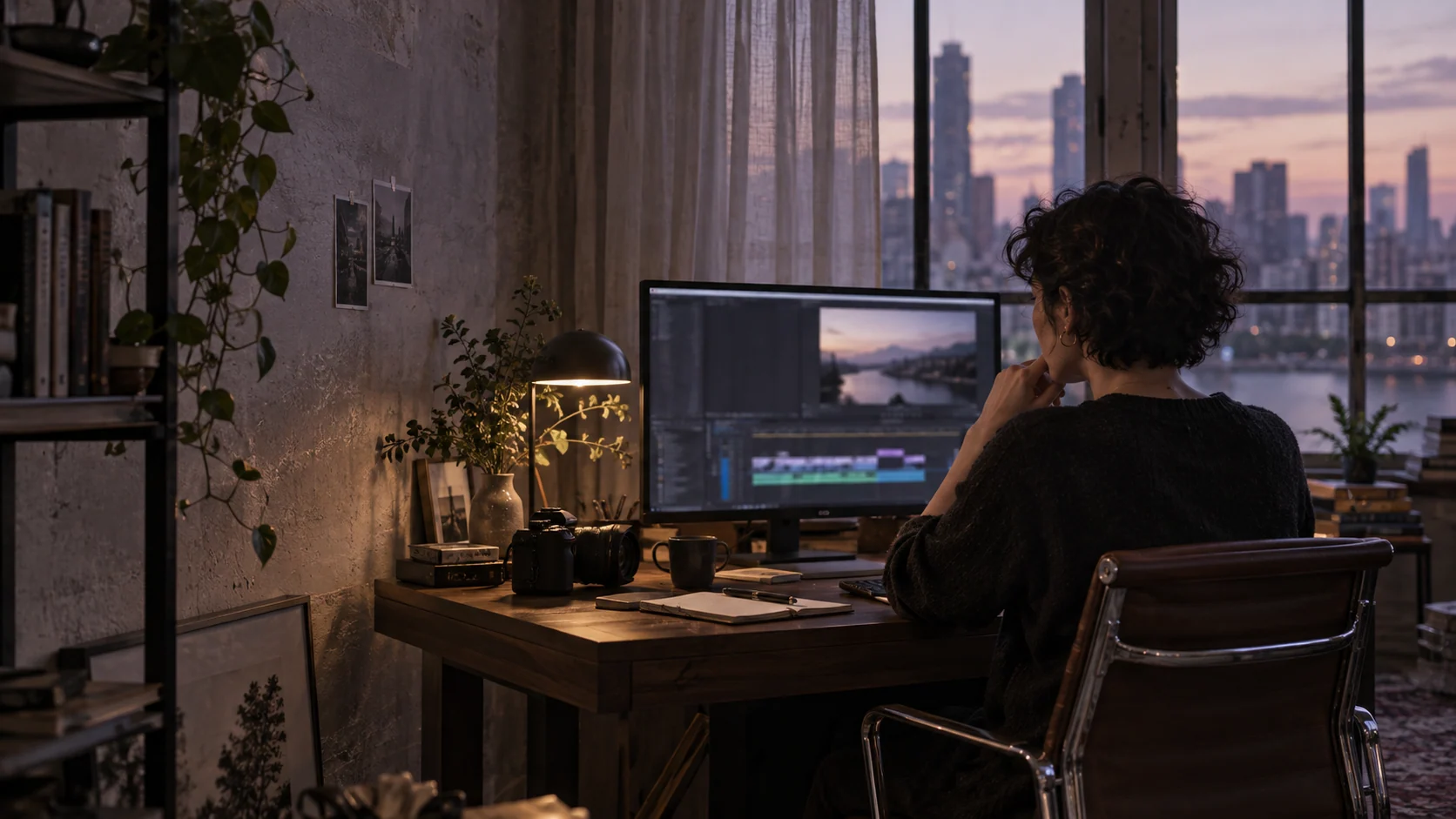
The strongest audio-visual training pairs are the ordinary ones: someone narrating a repair, a family argument about directions, a street scene where the sound explains the picture. UGC is the only modality that supplies this everyday audio-visual correlation at scale, and it is precisely what multimodal LLMs are asked to reason over — "what is happening here, and how do you know?" Public UGC fails the two tests that matter: it is in the crawl (so it neither differentiates training nor legitimately evaluates), and its rights do not survive diligence.
Licensed, unpublished creator footage passes both. The annotation stack for LLM use goes beyond captions: attributed speech transcripts, temporally anchored Q&A, and event descriptions that require combining sound and image. Consent must cover both tracks — the people visible and the voices audible, which in UGC are often not the same set.
What buyers typically spec
Industry-typical ranges — a brief can and should deviate where the task demands it.
| Typical volume | Hundreds to thousands of hours; pristine unpublished slice reserved for evaluation |
|---|---|
| Video | Original files with soundtrack intact; long takes preserved |
| Paired text | Speech transcripts (attributed), scene descriptions, cross-modal Q&A with timestamps |
| Provenance | Never-published, capture metadata intact, dedup report included |
| Formats | MP4; JSONL annotations |
A sample brief
The shape of a workable request — swap in your own numbers and conditions:
- Modality: unpublished everyday footage with natural audio.
- Volume: 600 hours training + 15 hours evaluation-grade unpublished slice.
- Pairing: transcripts, descriptions, and 10+ timestamped Q&A pairs per hour.
- Rights: licence and consent covering both visible people and audible voices.
fiund's sourcing angle
Public UGC is contaminated and legally fraught. fiund sources it from owners with a signed licence, so it is not already in the crawl. We source to a brief and clear the rights before anything moves, so what you receive is both useful and defensible in diligence.
Rights posture
Signed licence, explicit training rights, separate voice/likeness consent, nothing scraped. See the rights & provenance guides.
Frequently asked questions
Why is everyday footage better for multimodal training than curated clips?
Because the correlations are honest: sound explains image and vice versa without editorial cleanup. Curated or produced clips over-represent legible scenes; everyday footage carries the ambiguity multimodal models must learn to resolve.
Does speech inside video need separate consent from the video licence?
The safe answer is yes where speakers are identifiable — voice is a likeness interest alongside image. UGC complicates it because off-camera voices appear; a clean corpus documents consent for audible speakers or excludes clips where it cannot.
Other data for Multimodal LLM training
More Creator & UGC video use cases
Need Creator & UGC video for Multimodal LLM training?
Whether you're building a model or sitting on an archive, the first conversation is short and specific.
Send a brief