Film & professional video → Action recognition
Film & professional video for Action recognition
Action recognition needs labelled human activity across viewpoints and conditions. Here is why Film & professional video can support that work, what a program should specify, and how to evaluate rights and technical context.
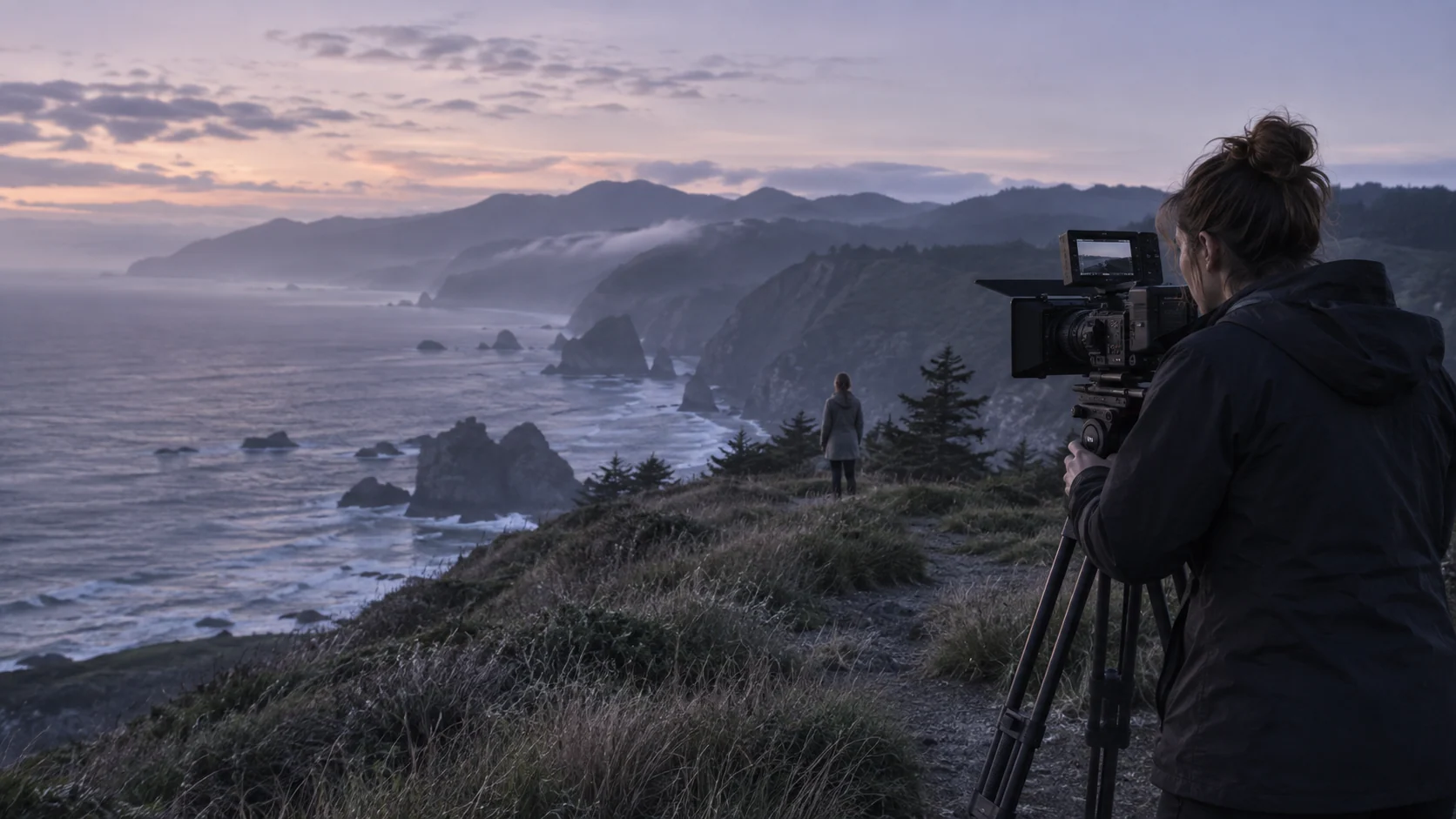
Why Film & professional video for Action recognition

Professional footage gives action recognition something in-the-wild video cannot: repeatable, well-framed, well-lit instances of actions, often shot from multiple angles in the same production. That makes it strong material for building the clean core of a recognition dataset — unambiguous positives with clear temporal extent — and for classes that are dangerous or rare to capture naturally (falls, collisions, stunts, industrial accidents staged safely). The known bias: performed actions are neater than real ones, so film-trained models can overfit to deliberate, camera-aware movement.
Serious briefs pair film footage with UGC or egocentric material and use the professional slice for label precision. Temporal annotation quality is the differentiator — start/end boundaries and per-segment labels, not video-level tags — because boundary noise is a dominant error source in temporal detection work.
What buyers typically spec
Industry-typical ranges — a brief can and should deviate where the task demands it.
| Typical volume | Thousands of labelled instances per class over maximal scene variety |
|---|---|
| Video | 1080p+; varied angles and framings; multi-camera coverage where available |
| Labels | Temporal segments with start/end, class taxonomy agreed up front, actor count |
| Coverage | Staged rare/hazardous classes; balanced instances across settings |
| Formats | MP4/MOV; JSON segment annotations |
A sample brief
The shape of a workable request — swap in your own numbers and conditions:
- Modality: produced footage of human actions, multi-angle where possible.
- Volume: 50 target classes, 500+ instances each, temporally annotated.
- Labels: segment boundaries, class, camera angle, indoor/outdoor tags.
- Rights: training licence with performer clearance documented.

fiund's sourcing angle
Studios and archives sit on decades of footage but rarely have a clean path to license it for training. fiund papers the rights first. We source to a brief and clear the rights before anything moves, so what you receive is both useful and defensible in diligence.
Rights posture
Signed licence, explicit training rights, separate voice/likeness consent, nothing scraped. See the rights & provenance guides.
Frequently asked questions
Are staged actions valid training data?
Yes, with eyes open: staged instances are cleaner and better framed than reality, which helps label precision but biases toward deliberate movement. The standard remedy is mixing staged footage with in-the-wild material and evaluating on the wild slice.
Video-level or segment-level labels?
Segment-level, with explicit start/end boundaries. Video-level tags are cheap but cap you at clip classification; temporal detection and anticipation work needs boundaries, and boundary quality is worth auditing on samples before accepting delivery.
Other data for Action recognition
More Film & professional video use cases
Need Film & professional video for Action recognition?
Whether you're building a model or sitting on an archive, the first conversation is short and specific.
Send a brief