Film & professional video → Text-to-video
Film & professional video for Text-to-video
Text-to-video needs high-quality, rights-cleared footage with rich captions and consistent motion. Here is why Film & professional video can support that work, what a program should specify, and how to evaluate rights and technical context.
Why Film & professional video for Text-to-video
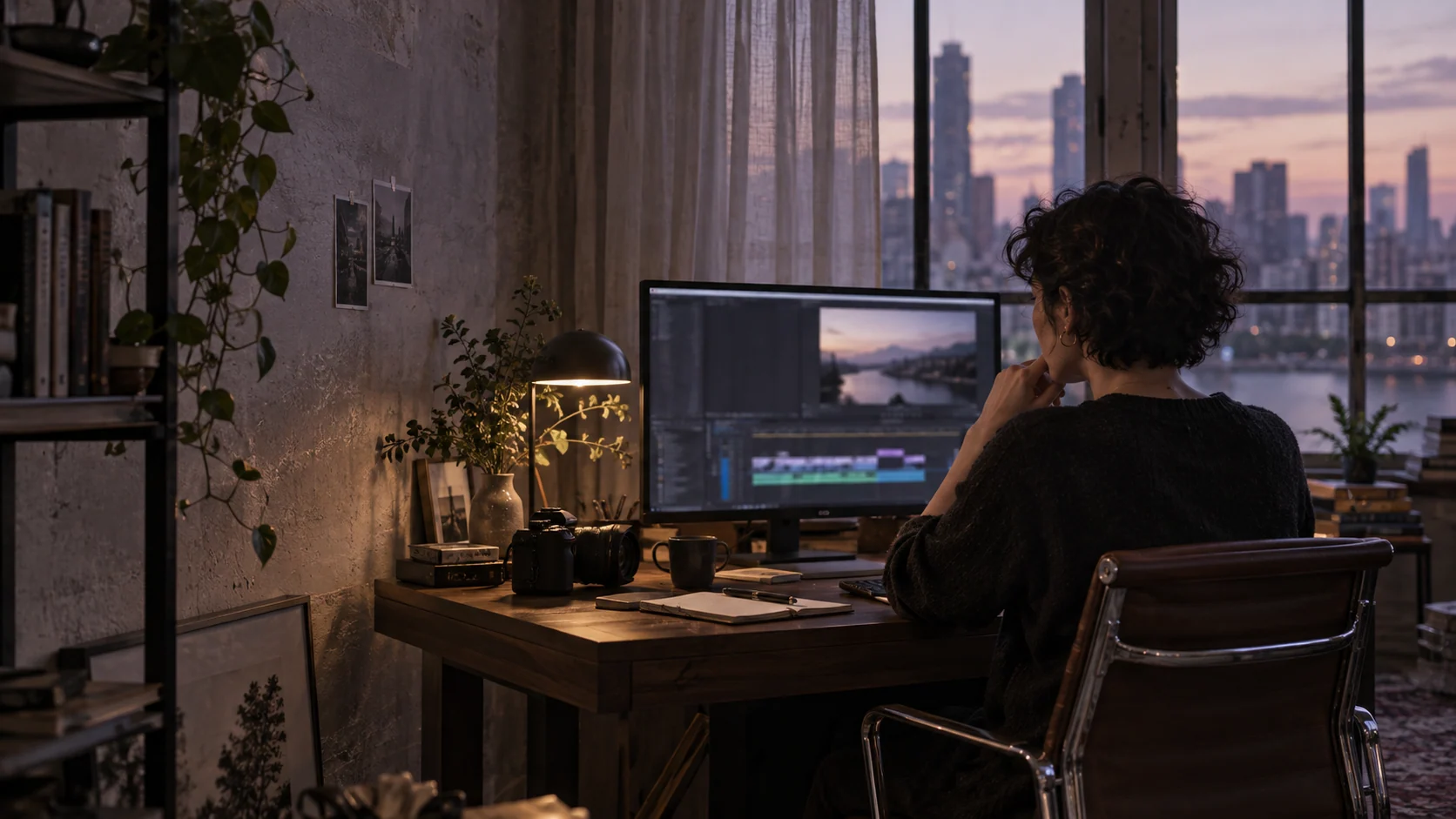
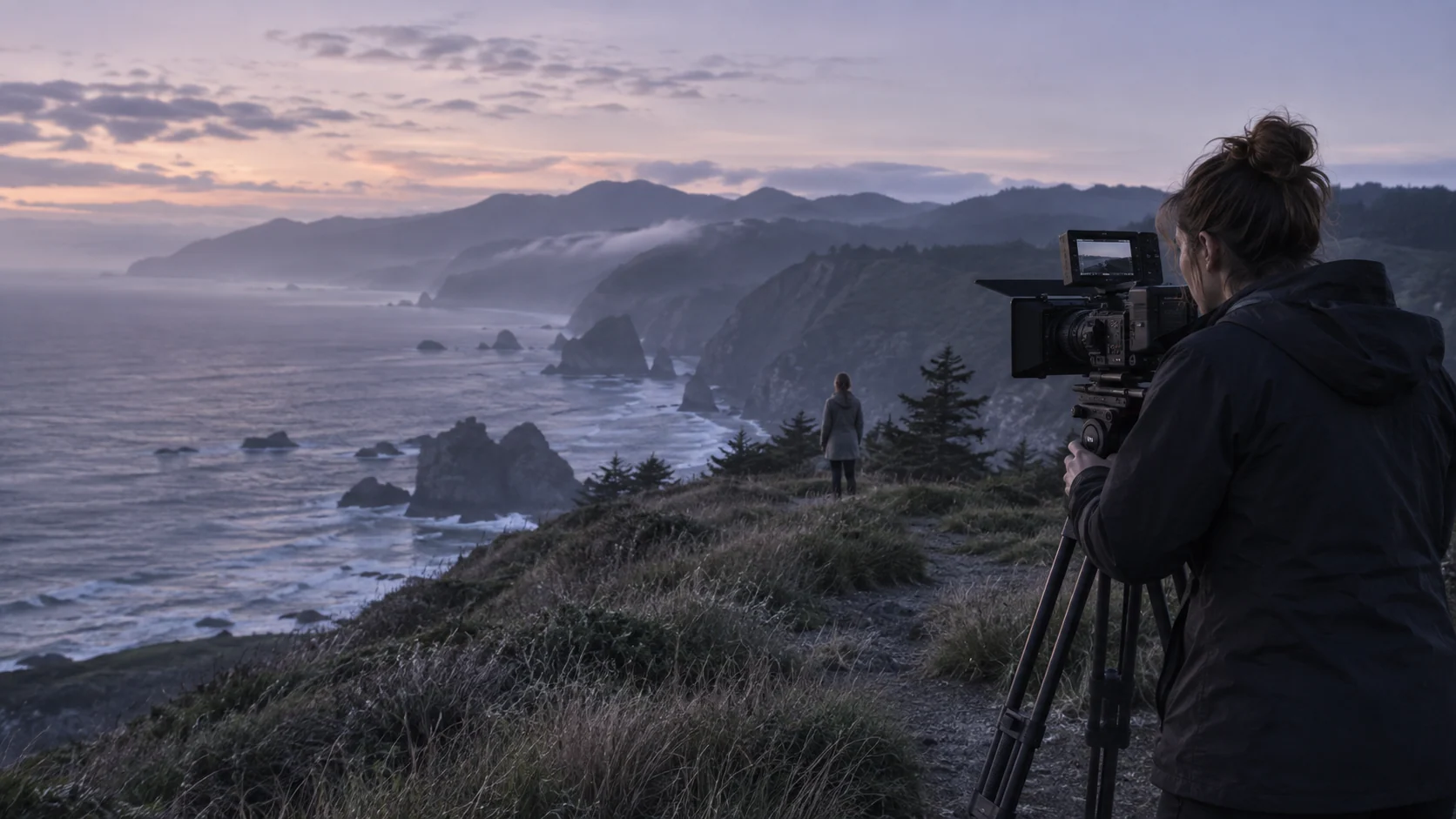
Text-to-video models reproduce whatever their training footage contains — including its defects. Train on platform re-encodes and the model learns compression blocking, crushed shadows, and watermark ghosts as properties of video itself. Professional footage attacks the quality ceiling directly: master-grade sources with intact frame rates, controlled lighting, and deliberate camera movement teach the model what clean motion and correct exposure look like. It also teaches cinematic grammar — dolly, rack focus, cut rhythm — which is what separates prompt outputs that look like footage from outputs that look like screensavers.
The captioning requirement is heavy: generation training wants dense descriptions covering subject, action, setting, camera behaviour, and lighting, not the two-word tags archives keep. And clearance is binary — music, faces, and logos in frame either have training rights or the clip should not ship.
What buyers typically spec
Industry-typical ranges — a brief can and should deviate where the task demands it.
| Typical volume | Hundreds to thousands of hours for fine-tuning tiers; smaller curated sets for aesthetic tuning |
|---|---|
| Video | 1080p–4K masters or mezzanine encodes; native frame rate preserved; no burned-in text |
| Labels | Dense per-clip captions (subject, action, setting, camera, lighting); shot boundaries |
| Clearance | Talent, location, and music layers cleared or excluded; logo flags |
| Formats | MP4/MOV (H.264/H.265 or ProRes); JSON caption files |
A sample brief
The shape of a workable request — swap in your own numbers and conditions:
- Modality: professional catalog footage, master-quality encodes.
- Volume: 300 hours across settings (urban, nature, interiors), 5–60 s clips.
- Labels: dense captions including camera motion and lighting descriptors.
- Rights: AI-training licence; music stripped; identifiable-talent clips cleared or excluded.

fiund's sourcing angle
Studios and archives sit on decades of footage but rarely have a clean path to license it for training. fiund papers the rights first. We source to a brief and clear the rights before anything moves, so what you receive is both useful and defensible in diligence.
Rights posture
Signed licence, explicit training rights, separate voice/likeness consent, nothing scraped. See the rights & provenance guides.
Frequently asked questions
How detailed do captions for generation training need to be?
Multi-sentence, covering subject, action, setting, lighting, and camera movement — the caption vocabulary becomes the prompt vocabulary. Two-word archive tags are insufficient; caption density is often the priciest and most valuable line in the brief.
What clip lengths do text-to-video teams want?
Training samples are commonly seconds long, but source clips should run longer so segments can be cut on motion boundaries. Long continuous shots also matter increasingly as models extend temporal context. Deliver long, segment in metadata.
Does 24 fps film footage need conversion?
No — native frame rate with correct metadata is what you want. What kills training value is prior bad conversion: pulldown artifacts and frame blending from broadcast masters. Check for judder before accepting a delivery.
Other data for Text-to-video
More Film & professional video use cases
Need Film & professional video for Text-to-video?
Whether you're building a model or sitting on an archive, the first conversation is short and specific.
Send a brief