Modality
Film & professional video for AI training
Produced footage, cleared to license.
Film and professional video is the highest-grade footage there is: controlled lighting, deliberate camera work, colour-managed masters, and enough shot variety to teach a model what cameras actually do. Archives and production companies sit on decades of it. Almost none is cleared for AI training, because the contracts underneath — talent agreements, union terms, music sync, location releases — were written long before model training existed as a use. Clearing a single hour can mean revisiting several of those layers, which is why licensed video training data from professional sources trades at a premium over crawl-adjacent alternatives.
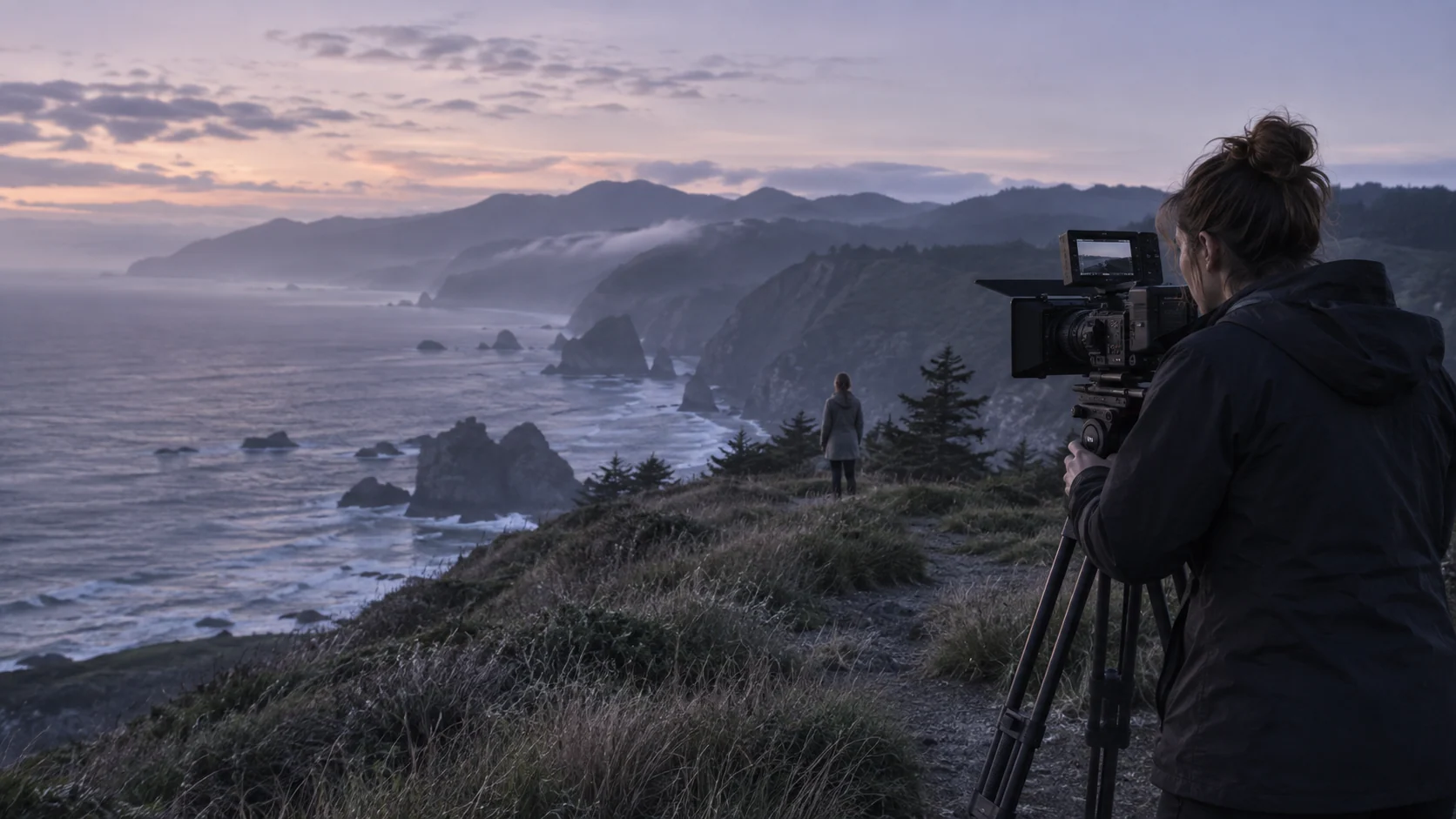
The premium buys two things. First, quality that scraped web video cannot match: original-resolution masters instead of platform re-encodes, intact frame rates, no burned-in subtitles or watermarks, no compression artifacts for a generative model to faithfully learn. Second, provenance: a named owner, a signed licence, and a chain of title that survives diligence.
What separates good corpora: masters or mezzanine files rather than rips of distribution deliverables; per-clip technical metadata (resolution, frame rate, colour space); content metadata (shot type, setting, people count); and clarity about what is not cleared — music, logos, recognizable bystanders — so the buyer is not quietly inheriting someone else’s problem.
Why it's scarce — and why that matters
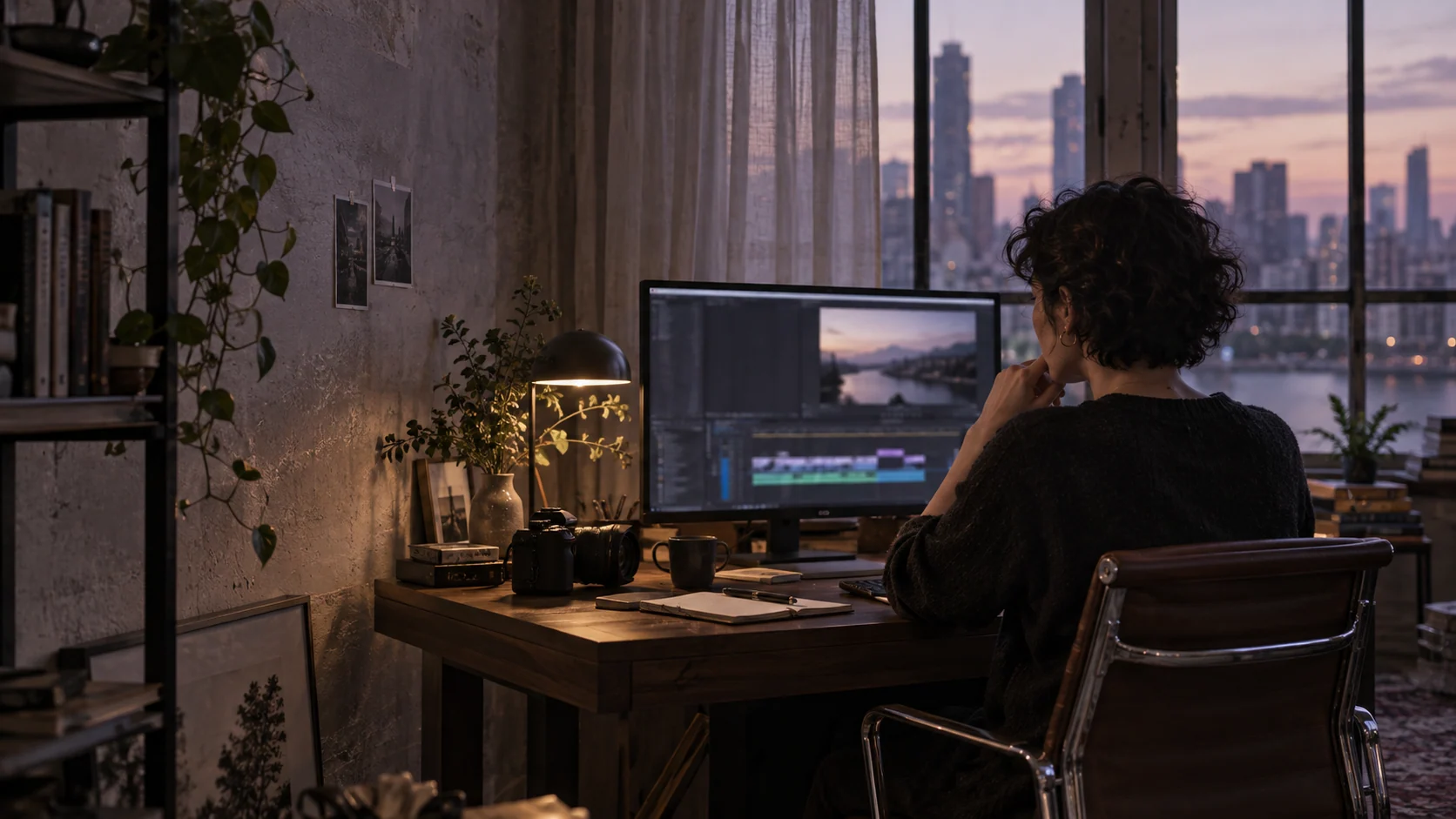
Studios and archives sit on decades of footage but rarely have a clean path to license it for training. fiund papers the rights first.
Capture specs that matter
Professional masters typically run 1080p to 4K at 23.976–60 fps; film archives may hold 2K/4K scans. ProRes or DNxHD mezzanine files re-encode cleanly into training-friendly H.264/H.265 MP4 — ask which encode generation you are receiving, because each lossy generation compounds. Log or wide-gamut material (S-Log, Rec. 2020) should ship with its transform or a Rec. 709 conversion. Useful annotations: shot boundaries, per-clip captions or descriptions, and flags for on-screen text, logos, and identifiable people.
Typical delivery formats: MP4, MOV.
What it's good for

What drives licence cost
No two briefs price the same. These are the factors that move a Film & professional video licence up or down:
- Clearance depth — talent, music, and location layers cleared vs recording-only
- Master quality and encode generation — mezzanine files price above re-encodes
- Content rarity — aerials, period footage, specific settings or activities
- Caption and annotation depth
- Exclusivity — sole licence vs non-exclusive catalog access
- Volume and clip length distribution
What to inspect before you licence
A sample and an hour of diligence catch most bad corpora. Check:
- Inspect samples at full resolution for re-encode artifacts, banding, and ghosting
- Check frame-rate integrity — pulldown judder and doubled frames survive transcodes
- Get the clearance scope in writing: music, faces, trademarks, locations
- Verify per-clip technical metadata (resolution, fps, colour space) matches the files
- Spot-check captions against the footage for faithfulness, not template text
- Confirm no burned-in subtitles, channel bugs, or watermarks
Rights & provenance
Every Film & professional video asset fiund lists carries a signed licence, explicit AI-training rights, and separate voice/likeness consent where people are identifiable. Nothing is scraped. Read more in the rights & provenance guides.
Frequently asked questions
Why not just license stock footage for training?
Standard stock licences cover editorial and commercial reproduction, and many now exclude machine learning explicitly. Even where the text is silent, the licence was priced and scoped for placement in a production, not ingestion into a model. Training use needs its own grant — that is the product here.
What about identifiable people in professional footage?
Actors and on-camera talent signed releases scoped to the original production, which rarely contemplated AI training. A clean licence either covers talent consent for training explicitly or excludes footage where identifiable people appear. Ask which of the two you are getting.
Does music in the footage come cleared?
Usually not. Sync and master rights for score and soundtrack are separate licences held by other parties. Training-ready corpora typically strip scored segments, deliver M&E-style audio, or flag music regions so buyers can exclude them.
Do video-generation models really need 4K masters?
Most train well below 4K. The reason to source from masters is not resolution — it is that platform re-encodes carry compression artifacts, crushed colour, and burned-in elements that a generative model will learn and reproduce. Clean source, downsampled on your terms, beats degraded source at any resolution.
Need Film & professional video data?
Send a brief and we source to spec, with the rights cleared before anything moves.
Send a brief