Modality
Creator & UGC video for AI training
Real-world user-generated footage.
Creator and UGC video is the closest thing to ground truth for how the world looks on camera: handheld motion, mixed lighting, cluttered rooms, real weather, people behaving like people. Generative and perception models both need it, because professional footage is too clean to cover it. The public supply looks infinite and is mostly unusable. Platform terms of service do not hand training rights to third parties, the uploader is often not the only person with rights in the frame, and anything public has been crawled for years — meaning it is already in your base model and your competitors’. Fresh signal has to come from somewhere else.
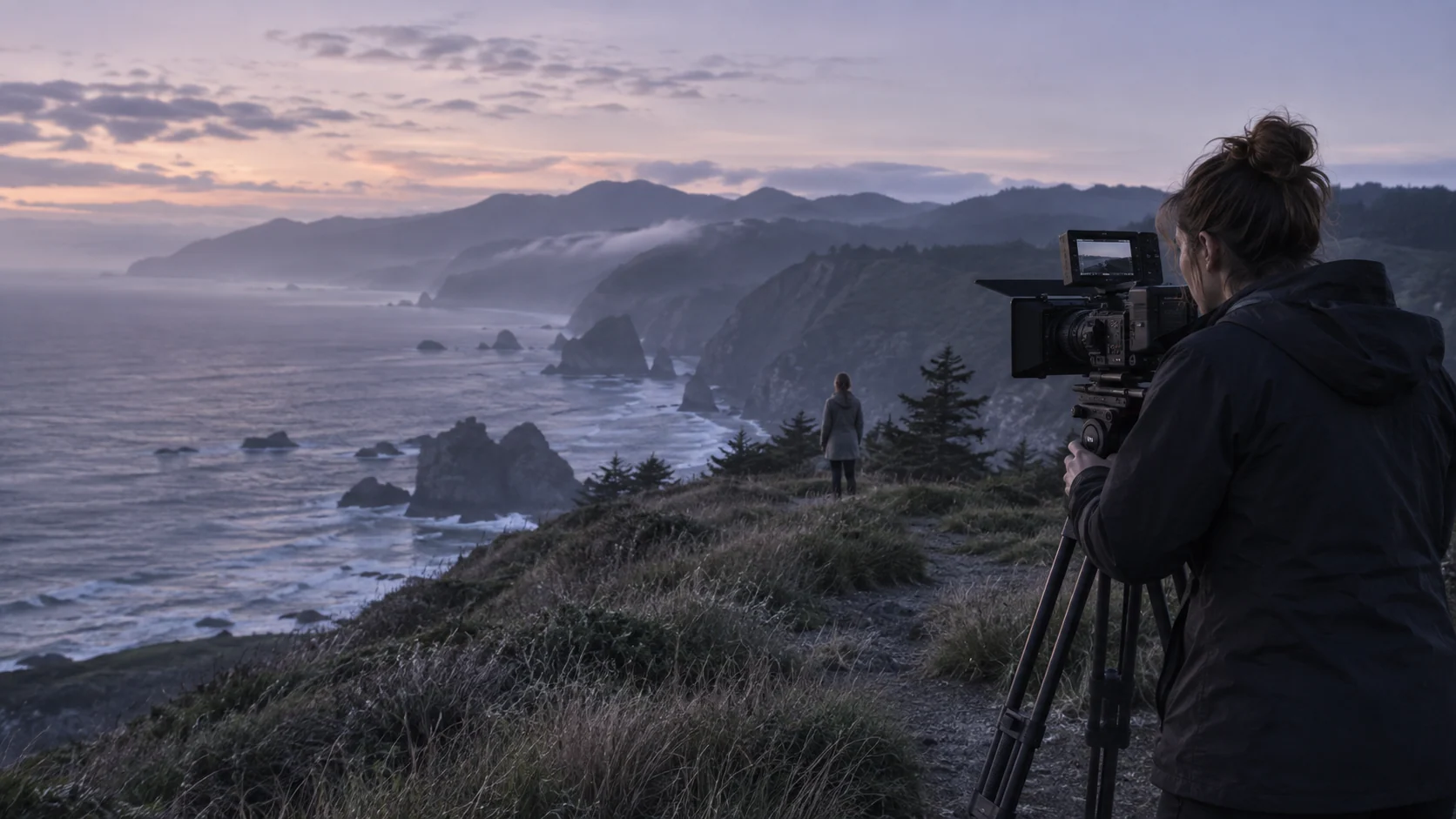
Licensed video training data from creators solves both problems at once. The footage is sourced directly from the person who filmed it, with a signed licence and consent covering identifiable people, and it is drawn from private archives — camera rolls, unpublished projects, outtakes — that never entered the crawl.
Quality separation in UGC is about honesty and metadata, not polish. The footage should stay imperfect; shake, noise, and vertical framing are the point. But the corpus around it should document device, resolution, capture date, and scene type, flag faces, and carry consent that stands up when a diligence team asks exactly who signed.
Why it's scarce — and why that matters
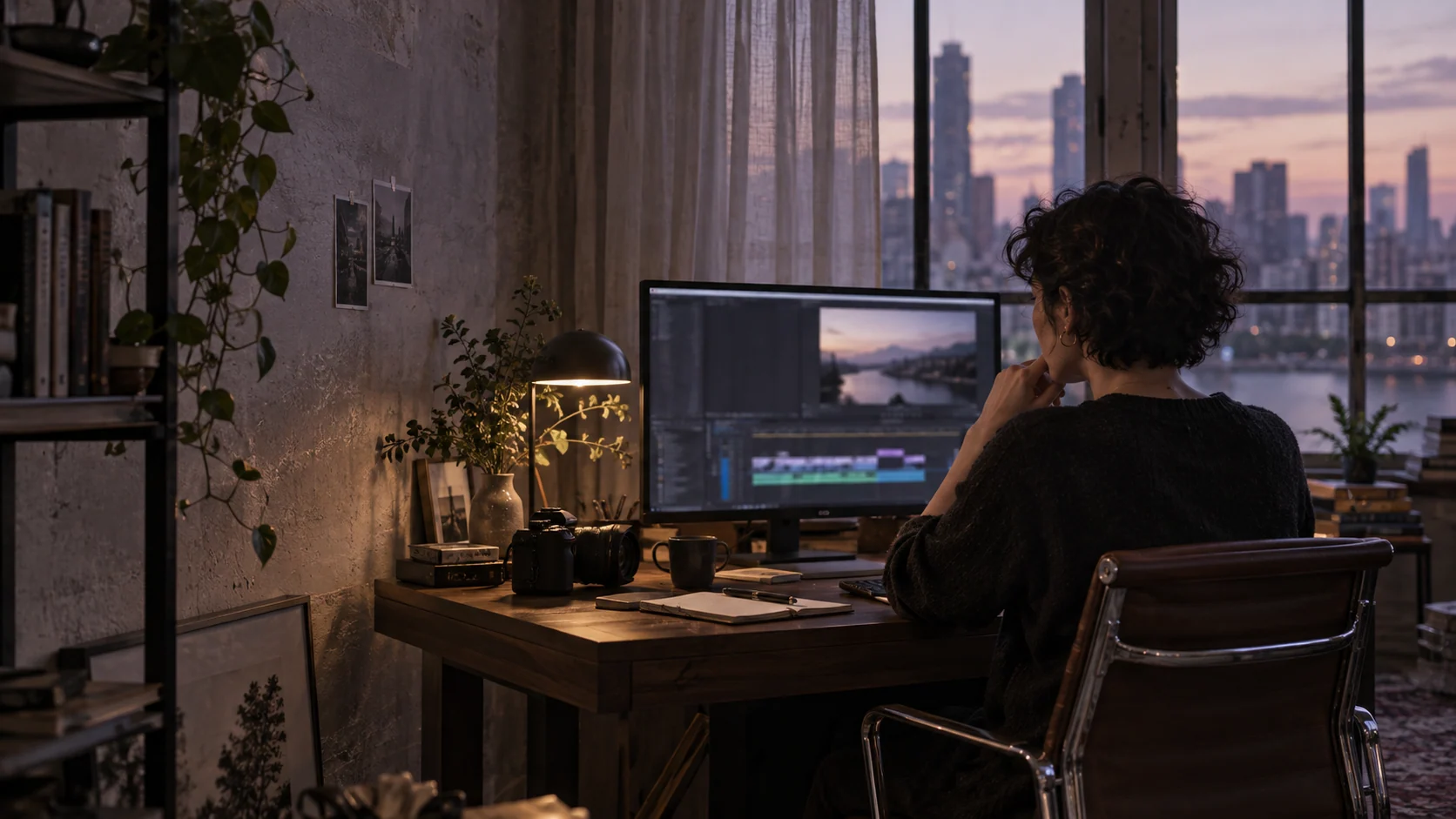
Public UGC is contaminated and legally fraught. fiund sources it from owners with a signed licence, so it is not already in the crawl.
Capture specs that matter
Phone footage typically runs 1080p–4K at 30 or 60 fps, increasingly HDR. Keep the original container and encode (usually H.264/H.265 MP4) — platform re-uploads add a lossy generation and strip capture metadata. Device, capture-date, and (where consented) location metadata is valuable; preserve it rather than scrubbing it wholesale. Vertical and horizontal footage should be labelled, not cropped to one aspect. Useful annotations: scene and activity tags, face flags, speech-present flags for audio-visual training, and duplicate-cluster IDs.
Typical delivery formats: MP4.
What it's good for
What drives licence cost
No two briefs price the same. These are the factors that move a Creator & UGC video licence up or down:
- Publication status — never-published archive footage prices above material already public
- Consent scope — number of identifiable people covered by signed consent
- Metadata and annotation depth — device, date, scene tags, activity labels
- Scenario rarity — specific activities, environments, or demographics briefs ask for
- Exclusivity — sole licence vs non-exclusive
- Volume and clip-length distribution
What to inspect before you licence
A sample and an hour of diligence catch most bad corpora. Check:
- Check for platform watermarks and channel bugs — they mean the file was re-downloaded, not sourced from the owner
- Verify original files with capture metadata intact, not platform re-encodes
- Sample for duplicates and near-duplicates before counting hours
- Confirm consent scope covers every identifiable face, not just the uploader
- Test never-published claims where offered — reverse search a sample
- Check device and date metadata is present and actually varies
Rights & provenance
Every Creator & UGC video asset fiund lists carries a signed licence, explicit AI-training rights, and separate voice/likeness consent where people are identifiable. Nothing is scraped. Read more in the rights & provenance guides.
Frequently asked questions
If a creator already posted a video publicly, can they still license it?
Yes. Posting to a platform grants that platform a licence; it does not transfer copyright. The creator can still license the file directly. The caveat is contamination: public material has likely been crawled already, which is why unpublished archive footage carries a premium — it is provably new signal.
How are bystanders in UGC handled?
Where a person is identifiable, their consent is needed, not just the filmer’s. In practice corpora handle this by sourcing footage without identifiable third parties, obtaining bystander consent, or excluding flagged clips per the brief. What does not work is assuming the uploader’s signature covers everyone in frame.
Why does a platform watermark on a clip matter?
A watermark or channel bug means the file came off a platform, not from the owner’s originals. That implies a lossy re-encode, stripped metadata, and — more seriously — a provenance chain that starts with a download rather than a licence. It is the fastest tell that a "licensed" UGC corpus is actually scraped.
Is scraping public UGC defensible if it is for research?
Research exceptions vary by jurisdiction and generally do not extend to commercial model deployment. Buyers running diligence treat scraped UGC as unquantified risk regardless: unknown rights-holders, no consent trail, and likely overlap with pretraining crawls. A signed licence replaces that uncertainty with paperwork.
Need Creator & UGC video data?
Send a brief and we source to spec, with the rights cleared before anything moves.
Send a brief