Motion capture → Pose estimation
Motion capture for Pose estimation
Pose estimation needs accurate 3D pose ground truth across body types and motions. Here is why Motion capture can support that work, what a program should specify, and how to evaluate rights and technical context.
Why Motion capture for Pose estimation
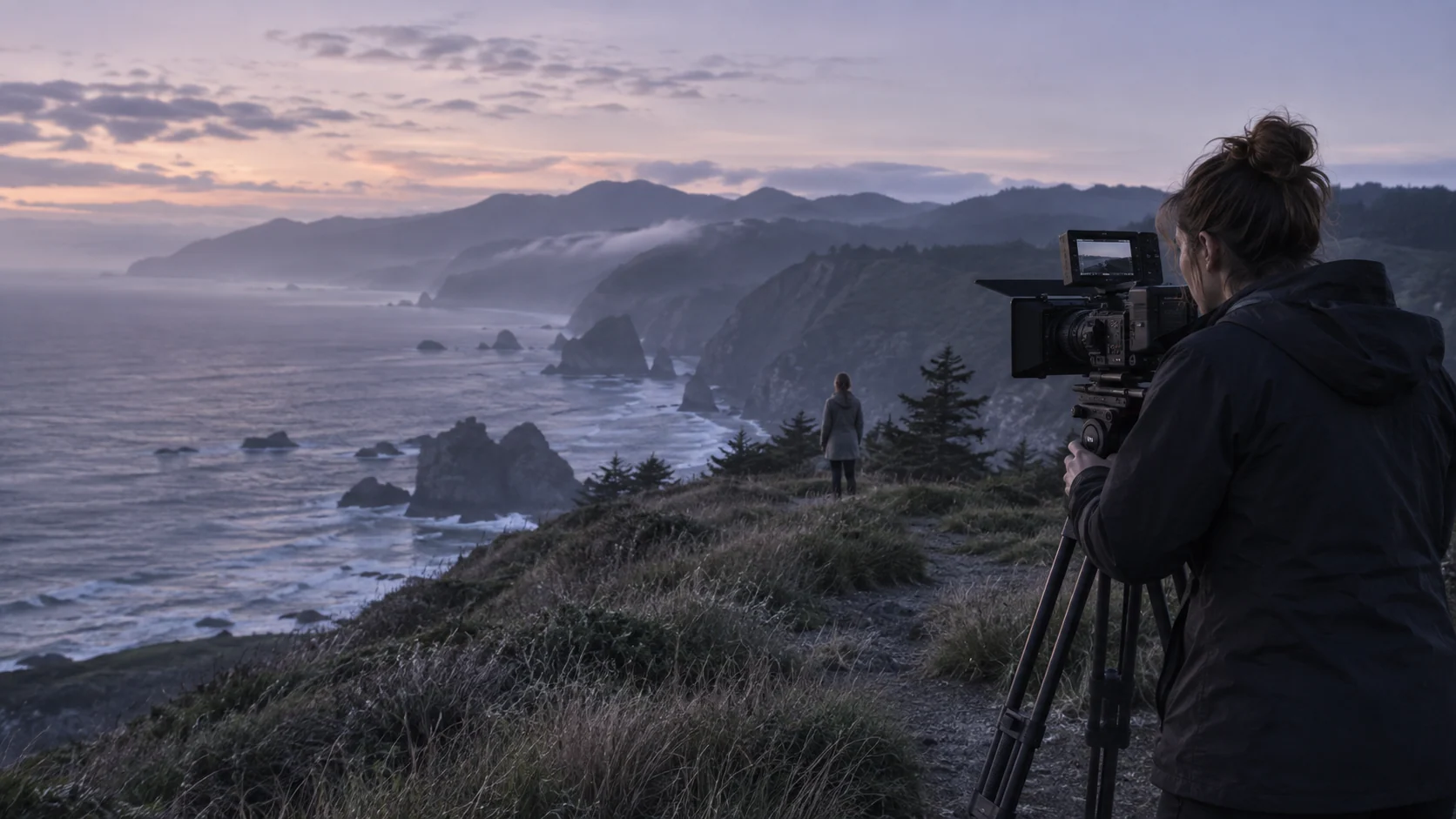
Camera-based pose estimation needs what cameras cannot provide about themselves: ground truth. Optical mocap is that ground truth — millimetre-order joint positions to score and supervise monocular and multi-view models against. The valuable corpus is therefore a paired one: synchronized video and mocap of the same performance, with calibration tying the camera views into the mocap coordinate frame. Everything hinges on that pairing quality — sync offset and calibration error flow straight into label noise.
The known bias to fight: mocap suits and studio backdrops. Models supervised only on suited performers in capture volumes degrade on street clothing and real scenes, so modern briefs spec everyday clothing, varied lighting, props, and occlusion — plus body-type diversity, because pose priors learned from one morphology misfit others. SMPL-format ground truth has become the common request alongside raw joints.
What buyers typically spec
Industry-typical ranges — a brief can and should deviate where the task demands it.
| Typical volume | Hours of paired capture; subject and clothing diversity weighted over duration |
|---|---|
| Capture | Optical mocap 100 Hz+ with synchronized multi-view video; full camera calibration delivered |
| Labels | 3D joints per frame; SMPL-family parameters where specced; occlusion flags |
| Coverage | Everyday clothing, varied body types, props and partial occlusion staged deliberately |
| Formats | C3D/CSV joints, MP4 video, JSON calibration |
A sample brief
The shape of a workable request — swap in your own numbers and conditions:
- Modality: synchronized mocap + 4-view video, everyday clothing.
- Volume: 10 hours, 40 subjects across body types and ages.
- Labels: 3D joint ground truth, camera calibration, occlusion annotations.
- Rights: performer consent naming AI training; faces in video covered by likeness consent.
fiund's sourcing angle
Mocap studios own valuable libraries but lack a licensing channel with proper performer consent. fiund provides both. We source to a brief and clear the rights before anything moves, so what you receive is both useful and defensible in diligence.
Rights posture
Signed licence, explicit training rights, separate voice/likeness consent, nothing scraped. See the rights & provenance guides.
Frequently asked questions
Why does clothing matter in a pose corpus?
Because deployment is people in clothes, not suits with markers. Marker-based capture under everyday clothing (markers on a snug underlayer, or markerless assist) costs accuracy but buys realism; a good corpus states the compromise it chose and quantifies it.
What sync and calibration quality should I demand?
Frame-level sync or better between video and mocap, with the residual stated, and full intrinsics/extrinsics per camera. These numbers are your label noise floor — a corpus that cannot report them cannot claim to be ground truth.
More Motion capture use cases
Need Motion capture for Pose estimation?
Whether you're building a model or sitting on an archive, the first conversation is short and specific.
Send a brief