Motion capture → Avatar animation
Motion capture for Avatar animation
Avatar animation needs motion capture with consented performers and clean rig-ready data. Here is why Motion capture can support that work, what a program should specify, and how to evaluate rights and technical context.
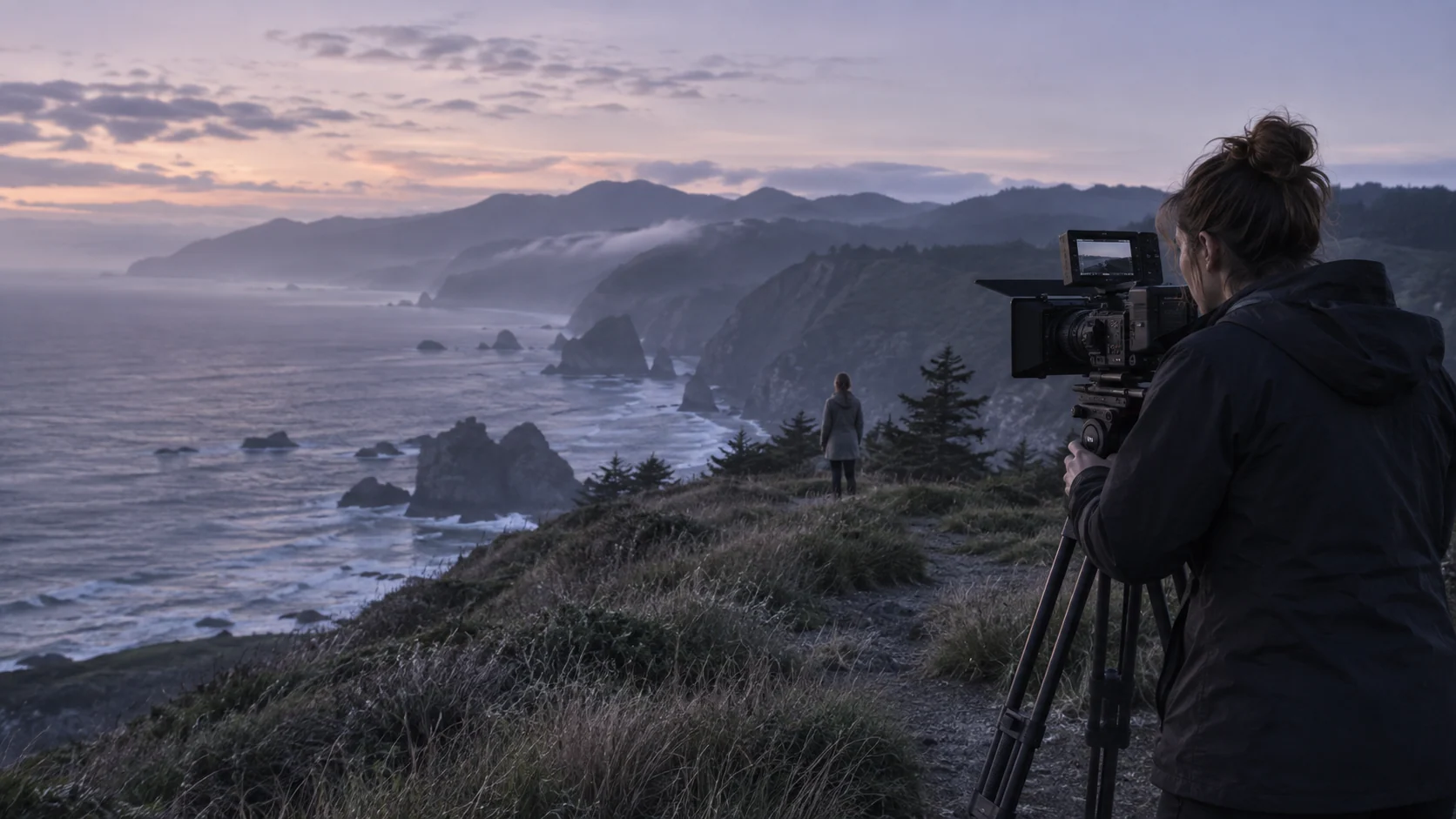
Why Motion capture for Avatar animation
Avatar systems are judged in milliseconds — motion that is even slightly off reads as broken. Animation-grade mocap is how you buy that quality: optical capture with a consistent skeleton, cleaned to remove marker noise without sanding off the micro-motion (weight shifts, breathing, anticipation) that makes movement legible as human. Data-driven animation adds requirements hand-keyed pipelines never had: motion matching and generative models want long, varied takes with natural transitions between actions, not isolated loops; style coverage (age, energy, personality) becomes a dataset axis; and idle behaviour — the hardest thing to fake — needs deliberate capture.
Retargeting is the operational trap: a corpus is only usable if its skeleton is documented well enough to map onto your rig, so joint hierarchy, units, and calibration poses belong in the delivery, not the follow-up email.
What buyers typically spec
Industry-typical ranges — a brief can and should deviate where the task demands it.
| Typical volume | Hours of motion (tens of thousands of frames per category); transition coverage specced explicitly |
|---|---|
| Capture | Optical, 100–240 Hz; single documented skeleton; finger capture stated in or out |
| Labels | Action and style tags per take; loopable segments marked; contact annotations |
| Deliverables | BVH/FBX rig-ready plus raw where possible; T-pose and calibration files |
| Formats | BVH, FBX; CSV/JSON metadata |
A sample brief
The shape of a workable request — swap in your own numbers and conditions:
- Modality: optical mocap, locomotion and idle library plus action-to-action transitions.
- Volume: 6 hours cleaned; 3 performer styles (relaxed, energetic, elderly).
- Deliverables: FBX on documented skeleton, contact labels, loop points marked.
- Rights: performer consent naming AI training and redistribution scope.
fiund's sourcing angle
Mocap studios own valuable libraries but lack a licensing channel with proper performer consent. fiund provides both. We source to a brief and clear the rights before anything moves, so what you receive is both useful and defensible in diligence.
Rights posture
Signed licence, explicit training rights, separate voice/likeness consent, nothing scraped. See the rights & provenance guides.
Frequently asked questions
Will the mocap retarget cleanly to my character rig?
Only if proportions and skeleton mapping are handled honestly — expect retargeting work whenever your rig deviates from the capture skeleton. What the corpus owes you: documented joint hierarchy, units, calibration poses, and ideally raw data so you can re-solve.
How much cleanup is too much?
When the motion stops breathing. Cleanup should remove marker swaps and jitter, not smooth away weight shifts and micro-adjustments — over-filtered mocap is why animated characters float. Ask for raw plus cleaned so the trade-off stays yours.
Do avatar corpora need finger capture?
For close-up or communicative avatars, yes — body-only motion with static hands reads as mannequin. Finger capture is a separate setup and cost, so the brief must call it out explicitly; it cannot be added to existing takes later.
More Motion capture use cases
Need Motion capture for Avatar animation?
Whether you're building a model or sitting on an archive, the first conversation is short and specific.
Send a brief