Egocentric video → Robotics manipulation
Egocentric video for Robotics manipulation
Robotics manipulation needs egocentric and third-person demonstrations with pose and contact detail. Here is why Egocentric video can support that work, what a program should specify, and how to evaluate rights and technical context.

Why Egocentric video for Robotics manipulation

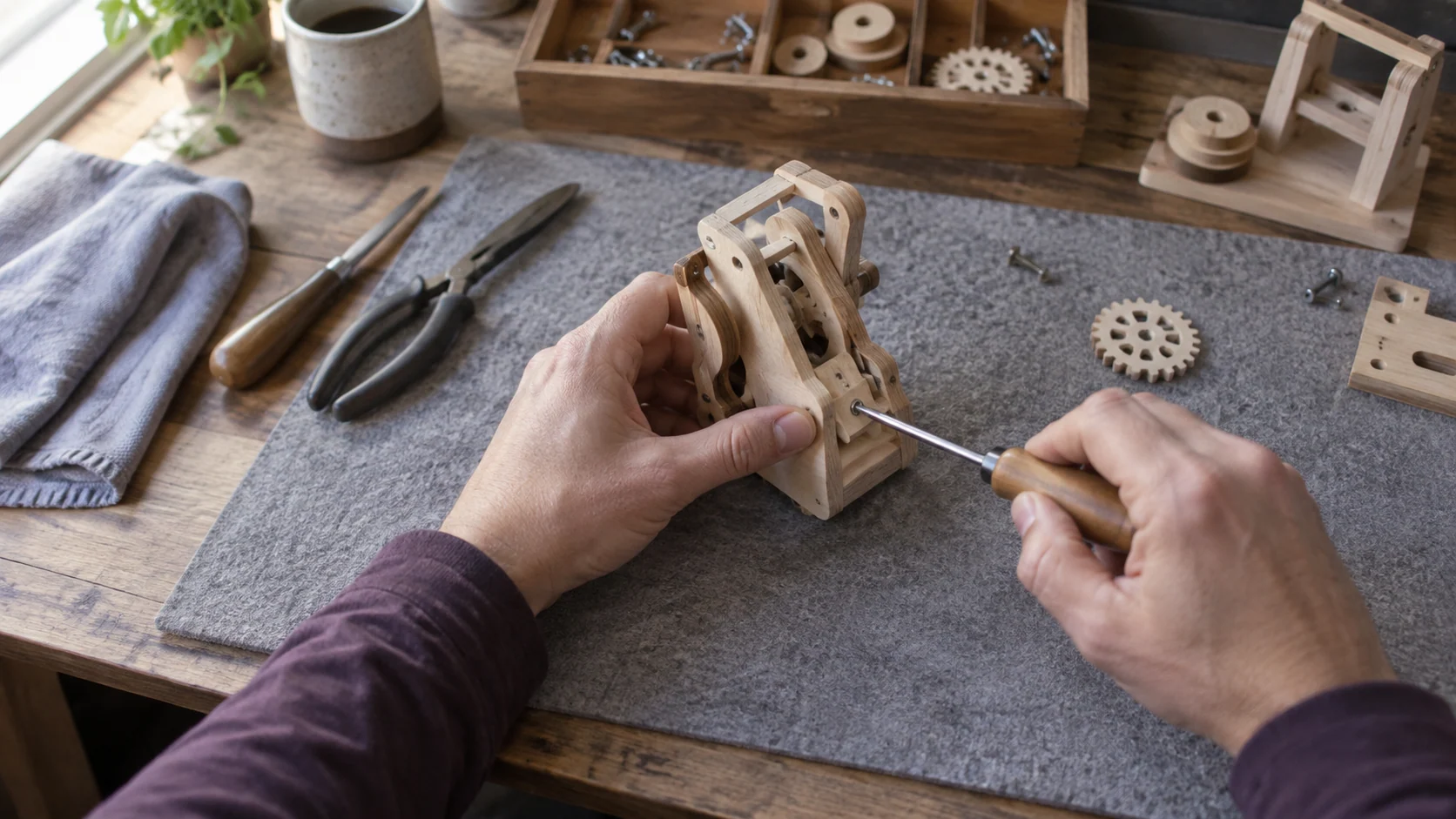
Robot learning has a data bottleneck: teleoperated demonstrations are expensive and slow to scale, while human video is abundant but filmed from the wrong place. Egocentric footage is the compromise that works — the camera rides the doer, so viewpoint, reach geometry, and hand-object relationships approximate what a robot’s head or wrist camera sees. Manipulation-relevant structure is visible: pre-grasp shaping, regrasping, bimanual coordination, force cues inferred from object behaviour.
Current pipelines use it for pretraining visual representations, learning affordances and hand-object interaction priors, then bridge the embodiment gap with a smaller robot-collected set. What the brief should force: hands actually in frame during manipulation (mount angle matters), long unedited takes including fumbles and corrections, task/step labels, and camera intrinsics — because geometry-aware methods need calibrated views, not just pixels.
What buyers typically spec
Industry-typical ranges — a brief can and should deviate where the task demands it.
| Typical volume | Hundreds of hours of task-focused manipulation; diversity of objects and environments prioritized |
|---|---|
| Video | 1080p+ at 30–60 fps head/chest mount; intrinsics documented; no stabilization |
| Labels | Task and step segmentation, hand/object annotations on subsets, narration |
| Extras | Synchronized IMU where available; failure takes retained |
| Formats | MP4; JSON annotations |
A sample brief
The shape of a workable request — swap in your own numbers and conditions:
- Modality: head-mounted first-person video of kitchen and workshop manipulation tasks.
- Volume: 250 hours across 40+ environments and 100+ participants.
- Labels: step segmentation and spoken narration; hand-object boxes on a 10% subset.
- Rights: participant consent naming commercial AI training; bystander policy agreed.
fiund's sourcing angle
Egocentric data is scarce and hard to collect at quality, and it is exactly what robotics and world-model teams need. fiund sources it to brief. We source to a brief and clear the rights before anything moves, so what you receive is both useful and defensible in diligence.
Rights posture
Signed licence, explicit training rights, separate voice/likeness consent, nothing scraped. See the rights & provenance guides.
Frequently asked questions
Does human hand video actually transfer to robot grippers?
Not directly — the embodiment gap is real. What transfers is upstream: visual representations, object affordances, task structure, and interaction priors learned from human video, which cut how much costly robot-collected data the policy stage needs.
What matters more: annotation density or raw hours?
For pretraining, hours and diversity dominate — coarse task labels suffice. For imitation-adjacent work, dense step and hand-object annotation on a subset earns its cost. Most briefs split the corpus accordingly rather than annotating everything.
Should failed attempts be edited out?
No. Fumbles, regrasps, and corrections are high-value: they show recovery behaviour and the boundary of successful strategies. A corpus trimmed to clean executions overstates human smoothness and undertrains robustness.
Other data for Robotics manipulation
More Egocentric video use cases
Need Egocentric video for Robotics manipulation?
Whether you're building a model or sitting on an archive, the first conversation is short and specific.
Send a brief